





Skip to content

Children’s jaw expanders

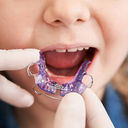
Expanders widen a child’s upper jaw to create room for adult teeth and correct narrow bites early.

Stock photo 2226781163

How it works

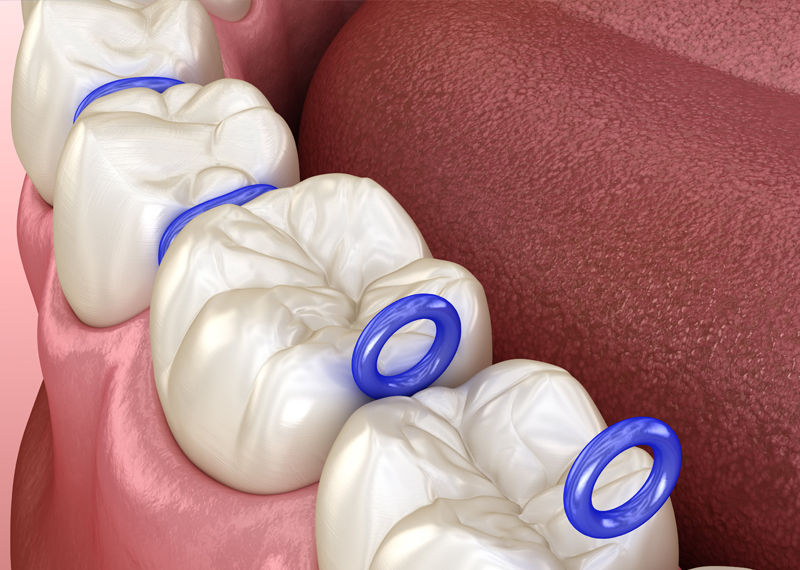
A jaw expander gently widens the upper jaw to create room for teeth and correct a narrow bite.

Fitted to the roof of the mouth, an expander applies gentle, steady pressure that encourages the jaw to widen over a few months. It works best while the jaw is still growing, which is why it’s most common in children and younger teens.

Creating space early can reduce crowding and may mean simpler treatment — or none at all — later on.

What to expect

Expanders take a little getting used to, but most children adapt within days.

You may notice a slight lisp or extra saliva for the first few days, and a small gap can appear between the front teeth as the jaw widens — this is completely normal and usually closes on its own.

Keep the expander clean by rinsing after meals, and avoid hard or sticky foods that could damage it.

Guides & resources

A little know-how goes a long way.

Learn more about early treatment and caring for appliances.

Treatment guides

Alternatives to children’s braces

Discover alternatives like clear aligners and ceramic braces. We’ll help you find the option that best fits your child’s needs.

Stock photo misc-82-15318
Treatment guides

Benefits of orthodontic treatment

Straighter teeth are easier to clean and kinder to your long-term health — the benefits go well beyond appearance.

Stock photo 1318506577
Treatment guides

Caring for your child’s smile during treatment

Simple daily habits — brushing, diet and check-ups — that keep treatment on track and your child comfortable.

Stock photo 1862812348
Treatment guides

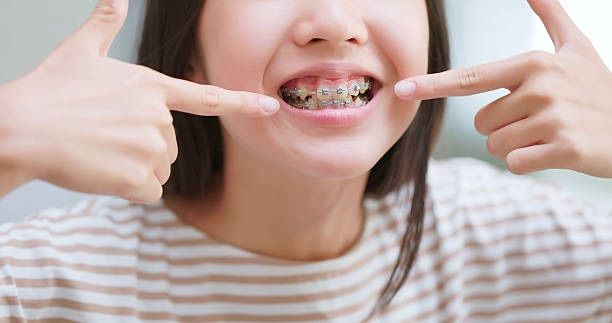
Common questions about children’s braces

Parents’ top concerns answered: comfort, care, food restrictions, and what to expect with metal braces for kids.

Stock photo 1990300190
Treatment guides

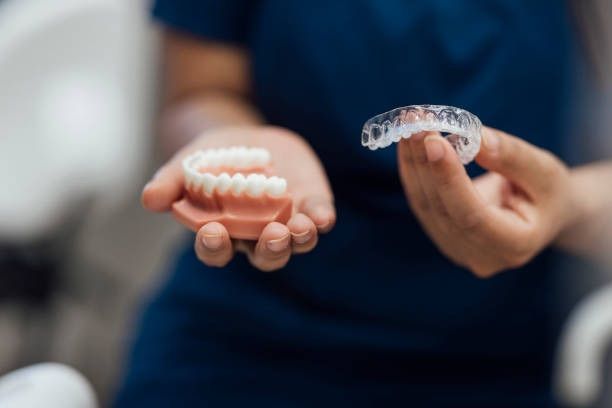
What is Invisalign?

Invisalign is one brand of clear aligner — here’s how aligner treatment works and the options we offer.

Stock photo 1288230173
Treatment guides

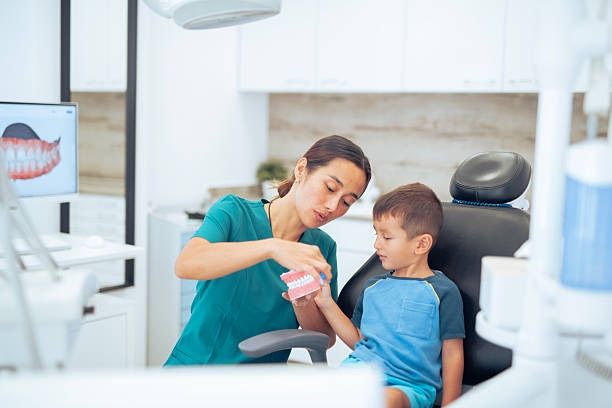
When should my child first see an orthodontist?

The short answer: around age 7. Here’s why early assessment matters, even if treatment can wait.

Stock photo 2203180735
Treatment guides

When to see an orthodontist

When to start treatment for children, teenagers, and adults — and why timing matters.

Stock photo 2203180735

Ready to learn more?

Book a consultation with a specialist orthodontist to talk through your options and the right treatment for you.

FAQs

Have a question about children’s jaw expanders?

  • There’s usually a feeling of pressure for a short time after each adjustment, but it isn’t painful and settles quickly. Most children adapt within a few days, including any temporary lisp or extra saliva.