





Skip to content

Children’s space maintainers

When a baby tooth is lost early, a space maintainer holds the gap so adult teeth come through in the right place.

Stock photo misc-82-15318

How it works

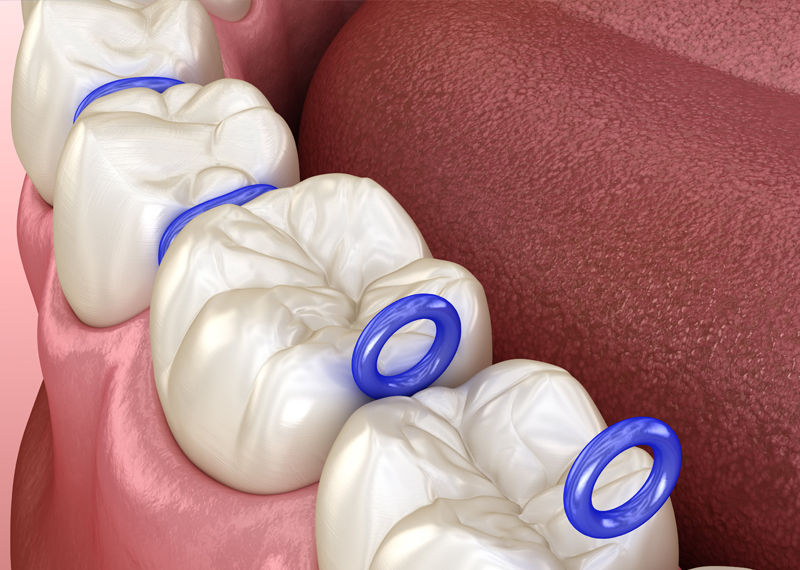
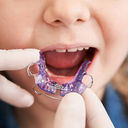
A space maintainer holds the gap open when a baby tooth is lost early, so the adult tooth can come through in the right place.

Baby teeth do an important job of saving space for the adult teeth underneath. When one is lost too soon — through decay or an accident — the neighbouring teeth can drift into the gap and block the adult tooth from erupting properly.


A small, custom appliance keeps that space open until the adult tooth is ready, helping to prevent crowding and avoid more complex treatment down the track.

Care & hygiene

Space maintainers are easy to look after with a few simple habits.

Brush around the appliance carefully and rinse after meals to keep it clean. Steer clear of hard, chewy and sticky foods that could bend or dislodge it.

We’ll check the maintainer at regular visits and remove it once the adult tooth begins to come through.

Guides & resources

A little know-how goes a long way.

More on guiding your child’s dental development.

Treatment guides

Alternatives to children’s braces

Discover alternatives like clear aligners and ceramic braces. We’ll help you find the option that best fits your child’s needs.

Stock photo misc-82-15318
Treatment guides

Benefits of orthodontic treatment

Straighter teeth are easier to clean and kinder to your long-term health — the benefits go well beyond appearance.

Stock photo 1318506577
Treatment guides

Caring for your child’s smile during treatment

Simple daily habits — brushing, diet and check-ups — that keep treatment on track and your child comfortable.

Stock photo 1862812348
Treatment guides

Common questions about children’s braces

Parents’ top concerns answered: comfort, care, food restrictions, and what to expect with metal braces for kids.

Stock photo 1990300190
Treatment guides

What is Invisalign?

Invisalign is one brand of clear aligner — here’s how aligner treatment works and the options we offer.

Stock photo 1288230173
Treatment guides

When should my child first see an orthodontist?

The short answer: around age 7. Here’s why early assessment matters, even if treatment can wait.

Stock photo 2203180735
Treatment guides

When to see an orthodontist

When to start treatment for children, teenagers, and adults — and why timing matters.

Stock photo 2203180735

Ready to learn more?

Book a consultation with a specialist orthodontist to talk through your options and the right treatment for you.

FAQs

Have a question about children’s space maintainers?

  • We recommend a first assessment around age 7–8. Not every child needs early treatment, but this is the ideal age to spot developing issues so we can plan the simplest possible path — whether that’s acting now or simply monitoring growth.